
Ethical and Sustainable Marketing Trends in 2026
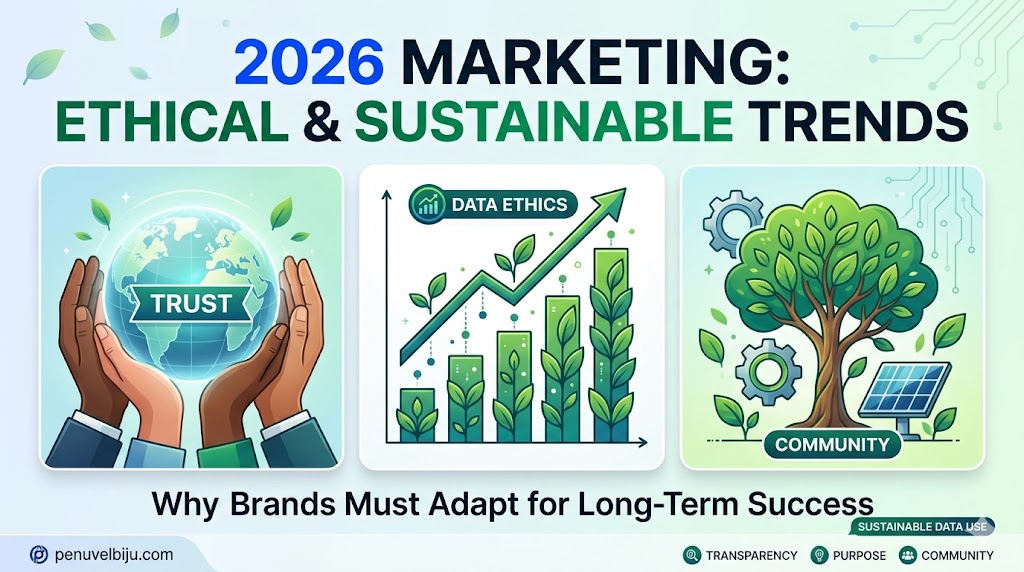
The marketing landscape in 2026 is undergoing a significant transformation. Businesses are no longer judged solely on the quality of their products or the effectiveness of their campaigns. Instead, they are evaluated on their values, transparency, and impact on society and the environment. Ethical and sustainable marketing has become a defining factor for long-term success.
As consumer awareness continues to rise, brands are being challenged to align their strategies with responsibility, authenticity, and purpose.
A Shift Toward Value-Driven Consumers
Today’s consumers are more conscious than ever. They care about where products come from, how they are made, and the ethics behind the brand. This shift has led to a new kind of buyer—one who prioritizes sustainability, fairness, and transparency.
In 2026, purchasing decisions are increasingly influenced by a brand’s stance on environmental and social issues. Companies that ignore these expectations risk losing relevance in a competitive market.
Transparency Builds Trust
Transparency has become a cornerstone of modern marketing. Consumers expect brands to openly communicate their processes, pricing, sourcing, and business practices.
Instead of presenting a perfect image, successful brands are embracing honesty. They share both achievements and challenges, creating a more relatable and trustworthy identity. Transparency is no longer a bonus—it is a requirement.
Authentic Sustainability Practices
Sustainability is evolving beyond buzzwords. In the past, many brands relied on vague claims to appear eco-friendly. In 2026, consumers demand proof.
Ethical marketing now involves:
- Clear sustainability goals
- Measurable environmental impact
- Responsible sourcing and production
- Reduced waste and carbon footprint
Brands that back their claims with real data and actions are gaining stronger customer loyalty.
Ethical Use of Data
Data privacy continues to be a major concern. Consumers are becoming more cautious about how their personal information is collected and used.
Marketers are responding by adopting ethical data practices, including:
- Transparent data collection policies
- User consent and control
- Minimal and relevant data usage
Personalization remains important, but it is now built on trust rather than intrusive tracking.
Purpose-Driven Marketing
In 2026, brands are expected to stand for something meaningful. Purpose-driven marketing focuses on contributing to social or environmental causes while aligning with business goals.
However, authenticity is critical. Consumers can easily identify performative actions. Brands must integrate their purpose into their operations, not just their campaigns.
Encouraging Responsible Consumption
Marketing is shifting away from promoting excessive consumption. Instead, brands are encouraging thoughtful and responsible buying behavior.
This includes:
- Highlighting product durability and quality
- Promoting reuse and recycling
- Offering sustainable alternatives
This approach not only supports the environment but also builds long-term credibility.
Community and Relationship Building
Rather than focusing only on reach and impressions, brands are prioritizing relationships. Building a loyal community has become more valuable than gaining short-term attention.
Ethical marketing strategies now include:
- Engaging directly with audiences
- Encouraging feedback and participation
- Creating value-driven content
Strong communities lead to trust, advocacy, and organic growth.
Technology with Responsibility
Advanced technologies such as artificial intelligence and automation are widely used in marketing. However, their ethical implications are under greater scrutiny.
In 2026, responsible use of technology means:
- Avoiding manipulation or misinformation
- Ensuring fairness in algorithms
- Being transparent about automated processes
Technology is no longer just about efficiency—it must also align with ethical standards.
Challenges in Ethical Marketing
Adopting ethical and sustainable practices requires effort and consistency. Some of the key challenges include:
- Higher initial investment
- Aligning internal operations with external messaging
- Measuring the true impact of sustainability efforts
Despite these challenges, the long-term benefits far outweigh the costs.
The Road Ahead
Ethical and sustainable marketing is not a temporary trend. It is shaping the future of how brands connect with their audiences.
Companies that prioritize integrity, responsibility, and transparency will build stronger relationships and long-lasting success. Those that fail to adapt may struggle to maintain trust and relevance.
Conclusion
Marketing in 2026 is defined by a deeper understanding of responsibility. It is no longer just about selling products but about creating meaningful impact.
Ethical and sustainable marketing allows brands to connect with consumers on a deeper level, build trust, and contribute positively to society. In a world where values matter more than ever, the most successful brands will be those that lead with purpose and authenticity.