
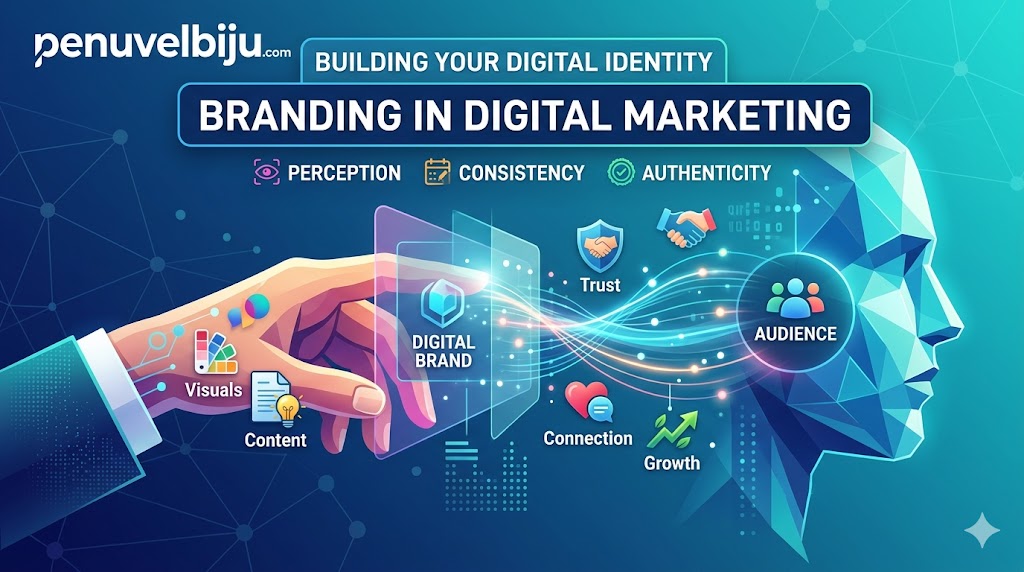
In today’s highly competitive digital landscape, branding is no longer just about logos and colors. It is about perception, consistency, and the emotional connection a business creates with its audience. A strong digital brand does not just attract attention—it builds trust, recognition, and long-term loyalty.
Branding in digital marketing is the foundation that shapes how people see, remember, and interact with your business online.
What is Digital Branding?
Digital branding is the process of creating and maintaining a brand’s identity across online platforms. It includes everything from your website and social media presence to your content, messaging, and customer interactions.
It is not just about being visible—it is about being memorable.
A well-defined digital identity helps your audience instantly recognize your brand and understand what you stand for.
Why Branding Matters in Digital Marketing
In a crowded online space, consumers are constantly exposed to content. Without a strong brand, it becomes difficult to stand out.
Effective branding helps to:
- Build trust and credibility
- Create emotional connections with the audience
- Differentiate from competitors
- Increase customer loyalty
- Improve recognition across platforms
People are more likely to choose and remember brands they trust and relate to.
Key Elements of a Strong Digital Brand
1. Clear Brand Identity
Your brand identity includes your mission, values, voice, and personality. It defines who you are and what you represent.
A clear identity ensures consistency in how your brand communicates and presents itself across all channels.
2. Consistent Visual Design
Visual elements play a crucial role in branding. This includes:
- Logo
- Color palette
- Typography
- Design style
Consistency in visuals creates familiarity, making it easier for users to recognize your brand instantly.
3. Strong Brand Voice
Your brand voice reflects how you communicate with your audience. Whether it is professional, friendly, bold, or minimal, it should remain consistent across all platforms.
A clear and relatable voice helps build a stronger connection with your audience.
4. Value-Driven Content
Content is at the core of digital branding. Blogs, social media posts, videos, and emails all contribute to how your brand is perceived.
Providing valuable, relevant, and consistent content positions your brand as an authority in your niche.
5. Customer Experience
Every interaction a customer has with your brand shapes their perception. From website navigation to customer support, a smooth and positive experience strengthens your brand identity.
Building a Lasting Digital Identity
Define Your Purpose
Start by understanding why your brand exists. What problem are you solving? What value are you providing?
A clear purpose helps guide all branding decisions.
Know Your Audience
Understanding your target audience is essential. Identify their needs, preferences, and behaviors to create a brand that resonates with them.
Be Consistent Across Platforms
Whether it is your website, Instagram, LinkedIn, or ads, your branding should remain consistent. This builds recognition and trust over time.
Focus on Authenticity
Authenticity is one of the most powerful aspects of branding. Be genuine in your messaging and avoid trying to imitate others.
People connect with brands that feel real and relatable.
Adapt and Evolve
Digital trends are constantly changing. While consistency is important, brands must also adapt to stay relevant.
Updating your strategies while maintaining your core identity ensures long-term growth.
Common Branding Mistakes to Avoid
- Inconsistent messaging and visuals
- Lack of clear identity
- Ignoring audience feedback
- Over-promoting instead of providing value
- Trying to appeal to everyone
Avoiding these mistakes can help maintain a strong and effective brand presence.
The Role of Branding in Long-Term Success
Branding is not a one-time effort—it is an ongoing process. A strong digital identity grows over time through consistent effort, quality content, and meaningful engagement.
Brands that invest in building a solid identity are more likely to:
- Retain customers
- Generate word-of-mouth marketing
- Create a lasting impression in the market
Conclusion
Branding in digital marketing is about more than just visibility—it is about creating a lasting impression. A well-built digital identity helps businesses connect with their audience, build trust, and stand out in a competitive environment.
In a world where attention is limited, a strong brand is what keeps people coming back.
By focusing on clarity, consistency, and authenticity, businesses can build a digital identity that not only survives but thrives in the ever-evolving digital landscape.